
Engineering Support & Design For Manufacturability (DFM)
At Pliant Medical, we believe that world-class medical manufacturing begins long before resin enters a mold. Driven by our guiding principle—the Journey of a Lifeline—we recognize that every component we produce plays a vital role in critical patient care settings. As the medical device industry faces increasing pressure to accelerate development timelines while adhering to stringent quality and regulatory expectations, the traditional role of contract manufacturers is shifting from simple build-to-print suppliers to deeply integrated development partners. Bringing life-critical technology to market requires front-loaded technical collaboration, proactive risk management, and rigorous manufacturing foresight. By establishing engineering support and Design for Manufacturability (DFM) as core operational differentiators rather than optional add-on services, Pliant Medical empowers medical device innovators to optimize component performance, reduce technical risk, and seamlessly bridge the gap between initial product vision and scalable, market-ready commercialization.
Engineering as a Core Differentiator
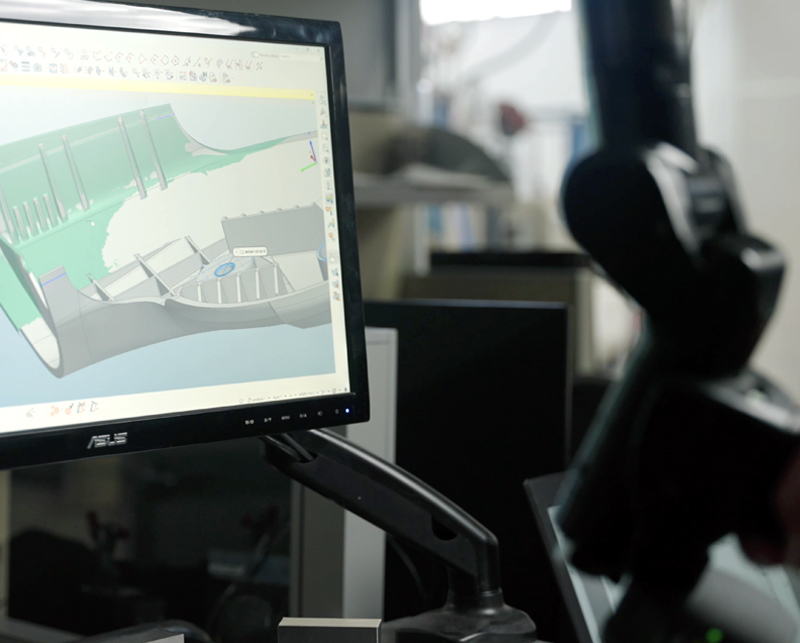
In traditional manufacturing models, engineering support often operates as a final, transactional check before cutting tool steel. At Pliant Medical, technical expertise is built into the foundation of our business model.
Strategic Partnership: DFM is treated as an ongoing technical collaboration rather than a simple sign-off, ensuring part geometry, resin selection, and process design are optimized together.
Proven Co-Innovation: Our engineers actively solve complex design challenges alongside customer teams—an approach so collaborative that Pliant engineers are listed on multiple patents with long-standing industry partners.
Dedicated Resources: Technical continuity is maintained from early concept discussions all the way through validation and commercial scale.
The Value of Early Engagement
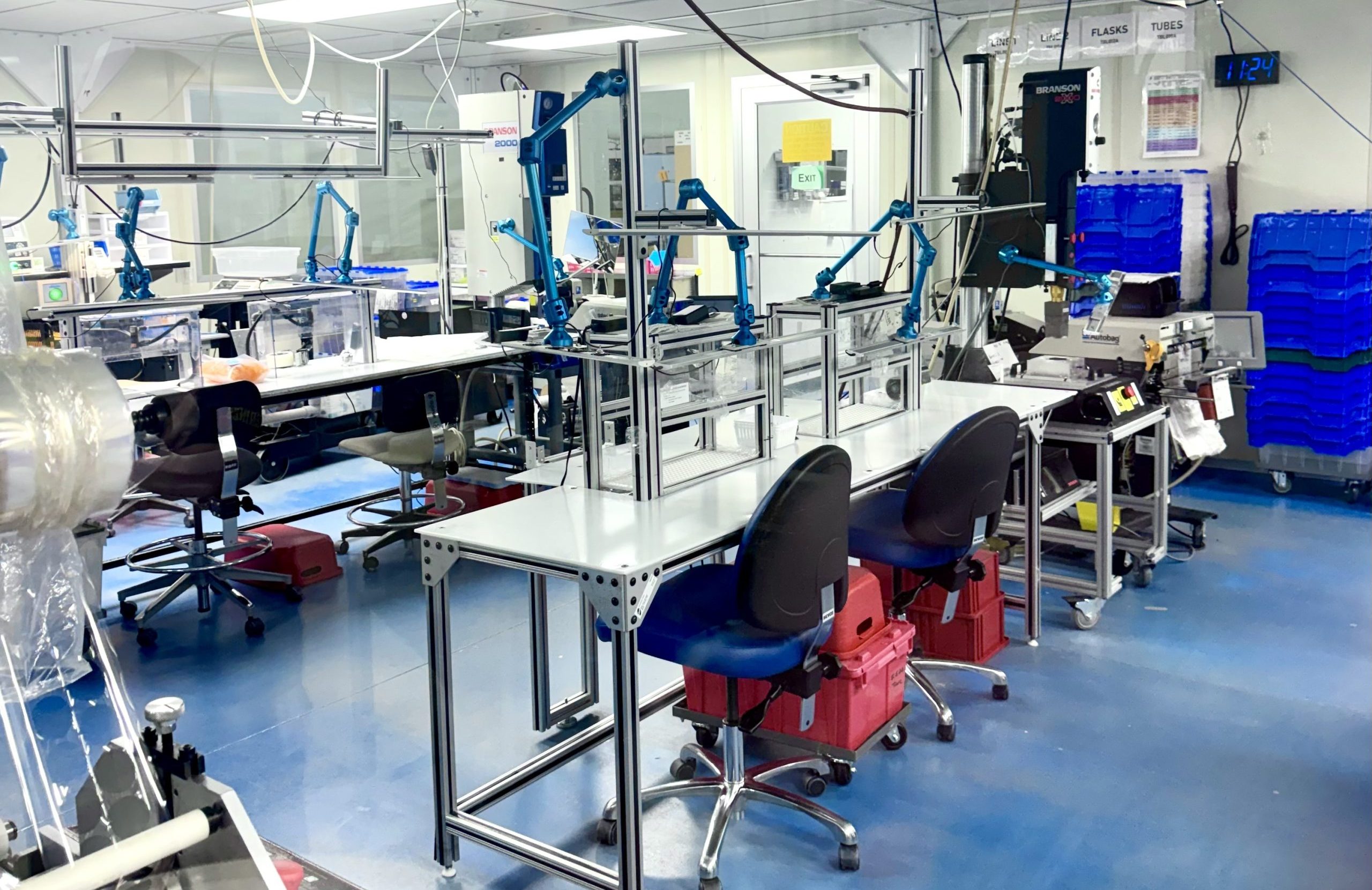
Engaging Pliant’s technical team during the initial concept phase—rather than at production handoff—fundamentally changes the speed and success of a medical device program.
Risk Mitigation: Evaluating geometries, wall thickness uniformity, and structural features through a manufacturability lens long before design freeze uncovers potential stress points early.
Design Optimization: Identifying fill issues and high-stress regions early ensures features are designed for repeatable, high-yield cleanroom production.
Seamless Transition: Front-loaded technical alignment bridges the gap between initial design intent and long-term commercial scalability.
What Design For Manufacturability Means in Practice
Design for Manufacturability (DFM) at Pliant Medical is a structured method for balancing functional product requirements with high-volume precision molding. Every DFM review rigorously evaluates critical design parameters:
Draft Angles & Wall Thickness: Optimizing nominal wall thickness to prevent sink marks and void formation while establishing proper draft angles for clean part ejection.
Gate Placement & Weld Lines: Strategically positioning gates to direct material flow, eliminate cosmetic flaws, and maximize structural strength.
Radii & Sharp Corners: Incorporating generous radii at internal corners to lower stress concentration and extend tool life.
Tolerance Analysis: Aligning component tolerances with true process capability to avoid unnecessary cost drivers.
How It Works: Cross-Functional Execution
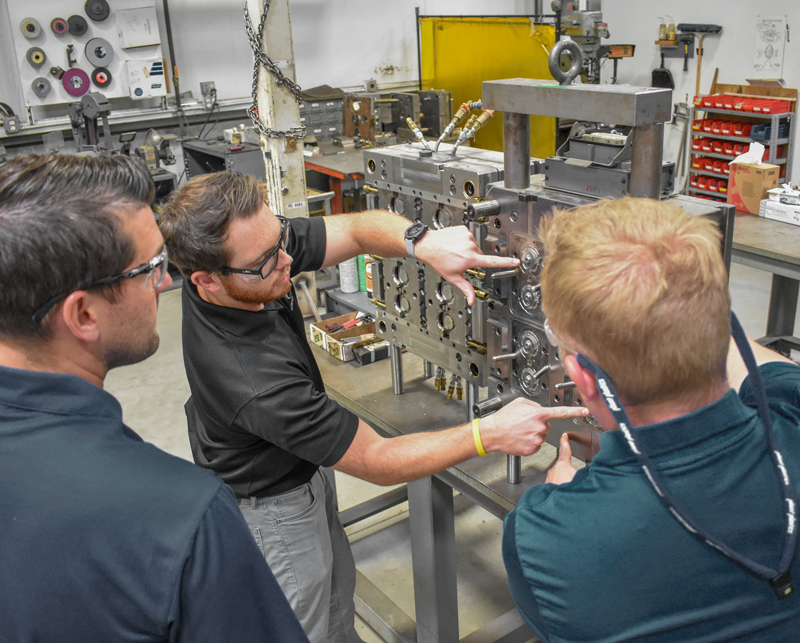
Pliant Medical executes DFM through an integrated team structure that breaks down functional silos.
Single-Unit Alignment: Account managers, program managers, product and process engineers, quality engineers, and tooling specialists review each program as a unified group.
End-to-End Continuity: The same team that evaluates the initial concept guides the program through tooling, process validation, and production ramp.
Rapid Problem Solving: Cross-functional collaboration ensures technical and operational challenges are resolved quickly without communication delays.
Advanced Analytical Tools & Methods
We combine decades of hands-on precision molding experience with advanced analytical tools to ensure your design is optimized before manufacturing begins:
Mold Flow Analysis: Advanced simulation software predicts resin flow fronts, pressure drops, air traps, and weld lines prior to tool fabrication
New Tooling Optimization: Tooling engineers design efficient cooling layouts, gate placement, and ejection mechanisms for custom new mold builds
Tool Transfer Assessments: For existing tooling transfers, engineers conduct comprehensive mold assessments to evaluate tool condition, verify mechanical readiness, and perform corrective maintenance or modifications to ensure consistent, repeatable production.
Optional Rapid Prototyping Integration: When program requirements call for physical models ahead of production tooling, rapid prototyping can be leveraged to validate fit, form, and preliminary functional performance.
Cost Impact: Catching DFM Issues Early vs. Late
| Development Phase | Cost & Schedule Impact | Typical Engineering Action |
| Early Concept (Pre-DFM) | Low Impact ($) | CAD refinements, nominal wall adjustments, and radius optimization. |
| Tooling & Validation | Moderate Impact ($$) | Steel modifications, tool recuts, re-running simulations, and timeline delays. |
| Post-Launch & Production | High Impact ($$$$) | Scrap tooling, complete rebuilds, regulatory updates, and market entry delays. |
"Early engagement is where manufacturability—and ultimately successful commercialization—takes shape."
Accelerating Time-to-Market
Front-loading engineering evaluations minimizes costly redesign loops, speeds up process validation, and streamlines regulatory pathways. By identifying potential tooling and molding challenges during the initial design phase, engineering teams can implement structural modifications on CAD models in hours—rather than performing costly tool recuts weeks or months into validation. This proactive approach provides medical device OEMs with a direct, predictable timeline from design freeze to validated commercial production.
Partner with Pliant Medical
Whether you are launching a novel medical innovation or optimizing an existing component for high-volume production, early engineering collaboration is key to mitigating risk and accelerating time-to-market.
Contact our technical team today to schedule a DFM review and learn how Pliant Medical can support your product lifecycle from concept to commercialization.